
Turaren wuta, a traditional fire dance of the Hausa people in Nigeria, mesmerizes with its rhythmic movements and blazing flames. Originating from ancient rituals, this captivating dance symbolizes strength and unity. Through intricate footwork and enchanting music, performers embody the spirit of the fire, unleashing energy and passion. Join us on a journey to explore the rich cultural heritage embedded in the turaren wuta. Experience the fiery allure of this mesmerizing dance that continues to illuminate hearts and minds with its timeless charm.

The Fascinating World of Turaren Wuta: Traditional Nigerian Fire Pots
Introduction to Turaren Wuta
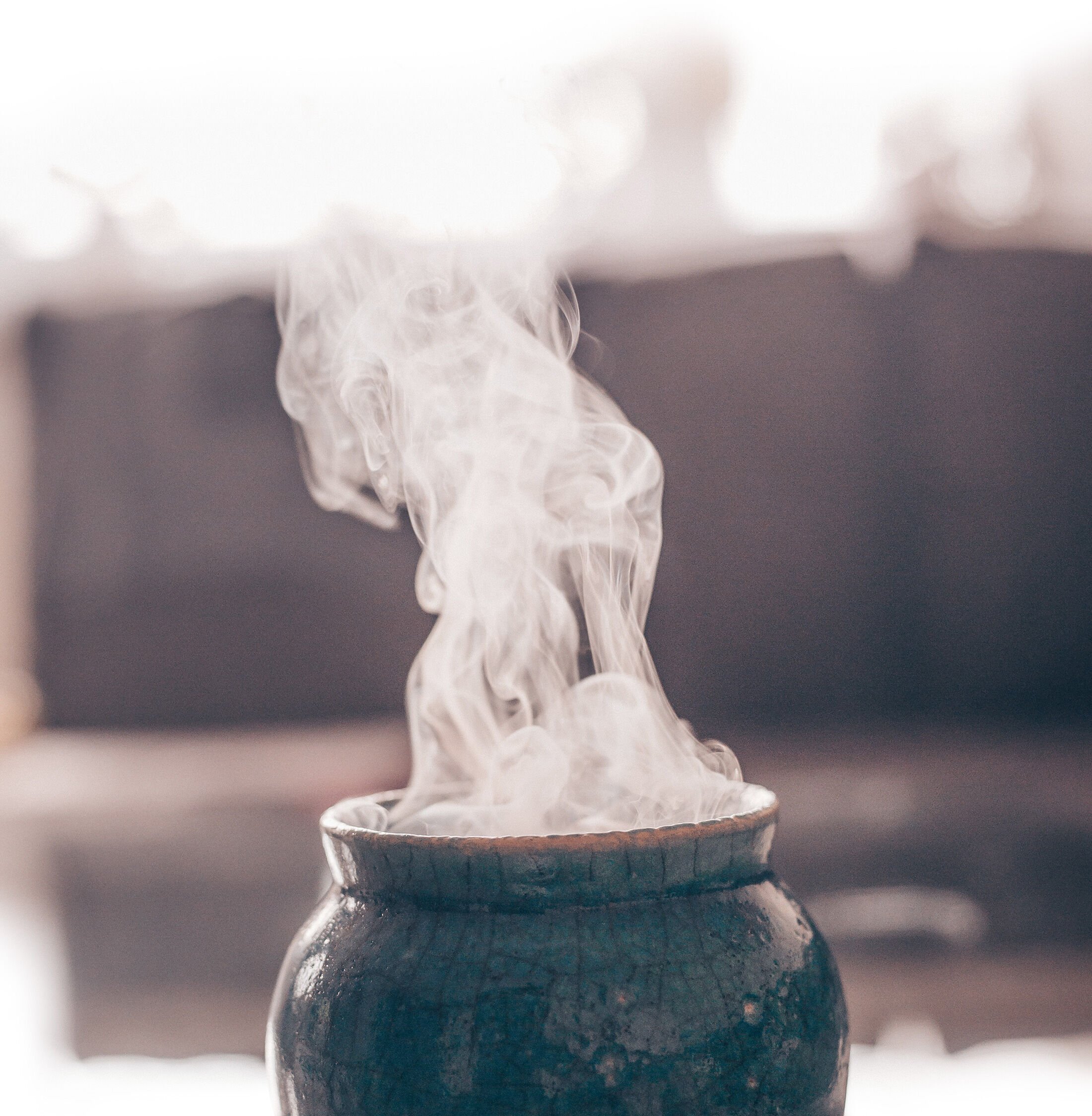
Turaren Wuta, also known as traditional Nigerian fire pots, are more than just cooking vessels; they are a symbol of culture, tradition, and artistry. These unique clay pots have been an integral part of Nigerian households for centuries, providing warmth, light, and a means of cooking food. In this article, we will delve into the fascinating world of Turaren Wuta, exploring its history, significance, and the intricate craftsmanship behind these timeless creations.
The History and Cultural Significance of Turaren Wuta
Turaren Wuta holds a special place in Nigerian culture, with its origins dating back to ancient times. Used by various ethnic groups across the country, these fire pots have served as essential household items for generations. The act of making and using Turaren Wuta is steeped in tradition, with each pot telling a story of craftsmanship and heritage.
In many Nigerian communities, Turaren Wuta is not just a cooking implement but a symbol of unity and togetherness. Families gather around the fire pot to share meals, stories, and laughter, creating a sense of community and belonging. The intricate designs and patterns found on these pots often have cultural significance, reflecting the beliefs and values of the people who create them.
The Craftsmanship Behind Turaren Wuta
Creating a Turaren Wuta is a labor-intensive process that requires skill, patience, and creativity. Artisans who specialize in making these fire pots undergo years of training to perfect their craft. From sourcing the clay to sculpting the pot and firing it in a kiln, each step is carefully executed to ensure a durable and functional end product.
The designs and decorations found on Turaren Wuta are often inspired by nature, traditional symbols, or personal creativity. Artisans may use intricate carving techniques, colored glazes, or embossed patterns to embellish the pots, transforming them into works of art. Each Turaren Wuta is a unique masterpiece, showcasing the talent and artistry of the maker.
The Practical Uses of Turaren Wuta
While Turaren Wuta serves as a cultural and artistic symbol, it is also a highly practical item in Nigerian households. These fire pots are traditionally used for cooking a variety of dishes, from stews and soups to traditional Nigerian delicacies. The clay material of the pots retains heat evenly, allowing for slow cooking and rich flavors to develop.
In addition to cooking, Turaren Wuta is also used for heating homes during cold evenings and providing light in the darkness. The gentle warmth emanating from the fire pot creates a cozy atmosphere, perfect for family gatherings or quiet nights at home. The soft glow of the flames dancing inside the pot adds a touch of magic to any room.
The Cultural Significance of Turaren Wuta in Modern Times
Despite the advancements in modern cooking technology, Turaren Wuta continues to hold cultural significance in Nigeria. Many households still use these traditional fire pots for cooking, preserving the connection to their heritage and ancestors. Artisans who craft Turaren Wuta are revered for their skill and dedication, keeping the tradition alive for future generations.
In recent years, there has been a renewed interest in traditional Nigerian crafts, including Turaren Wuta. Artists and collectors around the world are recognizing the beauty and cultural importance of these fire pots, leading to a resurgence in demand for authentic, handcrafted pieces. This revival has helped to support local artisans and preserve Nigeria’s rich cultural heritage.
In conclusion, Turaren Wuta represents more than just a cooking pot; it embodies the spirit of Nigerian culture, tradition, and craftsmanship. From its humble beginnings as a functional household item to its status as a revered piece of art, the journey of Turaren Wuta is a testament to the enduring legacy of Nigerian heritage. As we celebrate the beauty and significance of these traditional fire pots, we honor the generations of artisans who have kept this ancient tradition alive. Let us continue to cherish and preserve the cultural treasures that connect us to our past and inspire us for the future.
Where to find Traditional incense/Turaren Wuta at cheaper rate in Northern Nigeria. #north
Frequently Asked Questions
What is Turaren Wuta?
Turaren Wuta is a traditional Hausa fire dance performed by skilled dancers usually during cultural events and celebrations. It involves dancers showcasing their agility and bravery by dancing amidst burning flames.
How do dancers in Turaren Wuta protect themselves from the fire?
Dancers in Turaren Wuta protect themselves from the fire by wearing special clothing made from fire-resistant materials. They also undergo rigorous training to build endurance and learn how to move swiftly to avoid getting burned.
What is the significance of Turaren Wuta in the Hausa culture?
Turaren Wuta holds cultural significance in the Hausa community as it symbolizes courage, strength, and the ability to overcome challenges. It is also believed to bring blessings and ward off evil spirits when performed during special occasions.
Final Thoughts
In conclusion, understanding ‘turaren wuta’ is crucial for fire safety. Regularly checking electrical appliances and wiring can prevent potential hazards. Proper storage of flammable materials is essential in reducing fire risks. Stay informed and take necessary precautions to protect yourself and your property from fires. Remember, knowledge and preparedness are key in fire prevention.
