
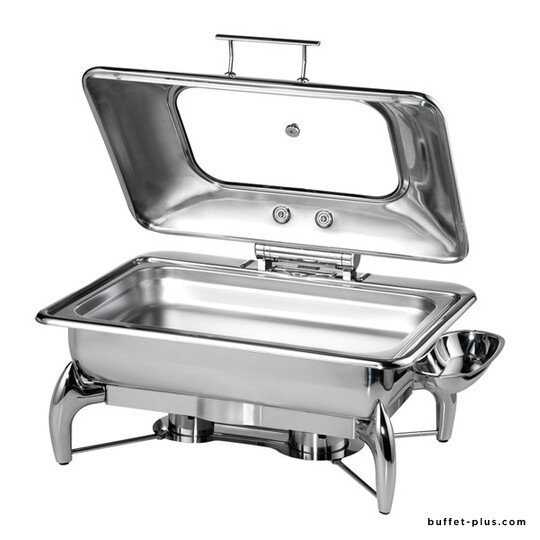
Looking to elevate your next gathering? A chafing dish is the answer. These elegant and practical serving vessels keep food warm for hours, perfect for hosting events with style and ease. With various styles and sizes available, chafing dishes are a versatile addition to any occasion. Say goodbye to cold dishes and hello to warm, delicious meals that stay fresh throughout your party. Elevate your hosting game with the simple yet effective solution that a chafing dish provides.

The Wonders of Chafing Dish: A Complete Guide
Do you ever wonder how restaurants keep their delicious dishes warm and ready to serve for hours on end? The secret lies in a magical kitchen tool called the chafing dish. In this comprehensive guide, we will delve into the world of chafing dishes, exploring their history, types, uses, and maintenance. So, grab a snack, sit back, and let’s uncover the wonders of the chafing dish together!
A Brief History of Chafing Dishes
Believe it or not, chafing dishes have been around for centuries, dating back to medieval times. Back then, royalty and nobility used elaborate chafing dishes made of precious metals to keep their food warm during extravagant feasts. These early versions were filled with hot coals or oil to maintain a constant temperature.
As time passed, chafing dishes evolved into more practical and accessible forms. In the 19th century, the invention of portable stoves revolutionized the culinary world, allowing for easier heating and serving of food. Chafing dishes became a staple in restaurants, hotels, and catering events, providing a convenient way to keep dishes warm without compromising on taste.
The Anatomy of a Chafing Dish
A typical chafing dish consists of several key components that work together to ensure food remains at the perfect serving temperature. Let’s break down the main parts of a chafing dish:
The Frame:
The frame of a chafing dish is usually made of stainless steel or another durable material. It provides support for the other components and keeps the dish stable on a table or buffet.
The Water Pan:
The water pan is placed directly above the heat source and is filled with hot water. The steam created from the water helps maintain the temperature of the food in the serving pan above.
The Fuel Holder:
The fuel holder is where the heat source, such as a gel fuel canister or sterno, is placed. It sits beneath the water pan and provides the necessary warmth to keep the food in the serving pan warm.
The Serving Pan:
The serving pan is where the food is placed for serving. It usually sits snugly on top of the water pan and can come in various shapes and sizes to accommodate different types of dishes.
Types of Chafing Dishes
Chafing dishes come in a variety of styles and sizes to suit different needs and occasions. Here are some common types of chafing dishes you may come across:
Disposable Chafing Dishes:
Disposable chafing dishes are perfect for one-time events or occasions where convenience is key. They are typically made of aluminum and come with a fuel cell to keep the food warm.
Roll-Top Chafing Dishes:
Roll-top chafing dishes feature a hinged lid that can be opened and closed with ease. This design allows for easy access to the food without having to remove the lid entirely, making them ideal for buffets and catering events.
Electric Chafing Dishes:
Electric chafing dishes use electricity to heat the water in the water pan, eliminating the need for fuel canisters. They are a great option for indoor events where open flames are not permitted.
Induction Chafing Dishes:
Induction chafing dishes utilize induction technology to heat the water in the water pan. They are energy-efficient and provide precise temperature control, making them a popular choice for high-end events.
Uses of Chafing Dishes
Chafing dishes are versatile tools that can be used for a wide range of dishes and settings. Here are some common uses of chafing dishes:
Buffet Service:
Chafing dishes are a staple at buffet-style events, allowing guests to serve themselves hot food at their leisure. They help keep dishes warm and fresh throughout the duration of the event.
Catering Events:
Caterers rely on chafing dishes to transport and serve large quantities of food at weddings, corporate events, and other special occasions. The portability and efficiency of chafing dishes make them indispensable in the catering industry.
Home Entertaining:
Hosting a dinner party at home? Chafing dishes make it easy to prepare and serve multiple dishes while keeping them warm for your guests. They add a touch of elegance to any gathering.
Restaurant Service:
Restaurants use chafing dishes to keep dishes warm for extended periods, ensuring that each serving is just as delicious as the first. Chafing dishes help maintain the quality and temperature of the food, enhancing the overall dining experience.
Maintaining Your Chafing Dish
Proper care and maintenance are essential to ensure your chafing dishes remain in top condition and last for years to come. Here are some tips for maintaining your chafing dish:
Cleaning:
After each use, make sure to clean your chafing dish thoroughly with warm, soapy water. Avoid using abrasive cleaners or harsh chemicals, as they can damage the finish of the dish.
Storage:
When not in use, store your chafing dishes in a cool, dry place to prevent rusting or corrosion. Make sure to stack them carefully to avoid scratching or denting the surfaces.
Regular Inspections:
Periodically inspect your chafing dishes for any signs of damage or wear and tear. Replace any worn-out components, such as fuel holders or pans, to ensure optimal performance.
Proper Handling:
When transporting or setting up your chafing dishes, handle them with care to avoid accidents or breakage. Follow the manufacturer’s instructions for assembly and use to prevent mishaps.
In conclusion, the chafing dish is a versatile and essential tool for keeping food warm and ready to serve in various settings. Whether you’re hosting a dinner party at home, catering a wedding, or running a restaurant, chafing dishes offer convenience, efficiency, and style.
By understanding the history, types, uses, and maintenance of chafing dishes, you can elevate your culinary experience and impress your guests with perfectly warmed dishes every time. So, next time you see a chafing dish at a buffet or event, you’ll know just how magical and practical this kitchen tool truly is.
How to Set Up a Chafing Dish | Vevor Roll Top Chafer
Frequently Asked Questions
What is a chafing dish and how is it used?
A chafing dish is a portable cooking or serving vessel designed to keep food warm during events or gatherings. It typically consists of a frame, a food pan, a water pan, and a heat source such as gel fuel or electricity. To use a chafing dish, simply fill the water pan, light the heat source, place the food pan on top, and cover with the lid to maintain the desired temperature.
What are the benefits of using a chafing dish for catering events?
Chafing dishes are highly beneficial for catering events as they help keep food at a safe serving temperature for extended periods. They also help avoid food spoilage and maintain the quality of the dishes by preventing them from drying out. Additionally, chafing dishes provide an elegant presentation and enhance the overall dining experience for guests.
Can different types of foods be served using a chafing dish?
Yes, chafing dishes are versatile and can be used to serve a variety of foods such as appetizers, main courses, side dishes, and even desserts. From pasta and meat dishes to soups and sauces, chafing dishes can keep a wide range of food items warm and ready to serve at events of any scale.
Final Thoughts
In conclusion, a chafing dish is an essential tool for keeping food warm and presentable at events. Its versatility and practicality make it a must-have for caterers and party hosts. With different styles and sizes available, chafing dishes offer a sophisticated way to serve a variety of dishes. Invest in a chafing dish to elevate your next gathering and impress your guests with delicious, hot food.
