
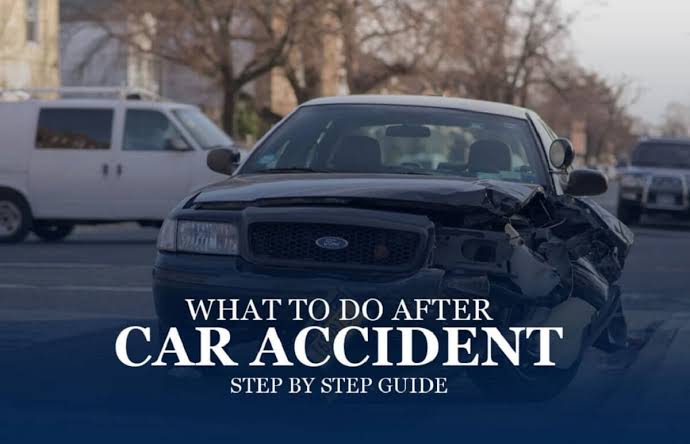
A car accident can change an ordinary day in a matter of seconds. Even seemingly minor collisions can lead to injuries, vehicle damage, insurance disputes, and unexpected financial challenges. For many people, the period immediately following a crash is filled with uncertainty about what steps to take and how the legal process works.
Understanding what to do after an accident can help protect both your health and your legal rights. This guide explains the key steps injured drivers should consider, common challenges that arise during accident claims, and how personal injury cases are typically handled.
Prioritize Safety and Medical Attention
The first priority after any accident is safety.
Check for Injuries
If possible, check yourself and others involved in the collision for injuries. Some injuries may be immediately obvious, while others may not become noticeable until hours or days later.
Contact Emergency Services
Calling emergency services can help ensure that injured individuals receive medical care and that the accident is properly documented.
Seek Medical Evaluation
Even if injuries appear minor, obtaining medical attention is often important. Conditions such as concussions, soft tissue injuries, and internal injuries may not present immediate symptoms.
Medical records can also become important evidence if an insurance claim or legal case develops later.
Document the Accident Scene
Evidence collected shortly after an accident can play a significant role in determining fault and evaluating damages.
Gather Information
Important information may include:
- Driver contact details
- Insurance information
- Vehicle descriptions
- License plate numbers
Take Photographs
Photographs can help preserve evidence regarding:
- Vehicle damage
- Road conditions
- Traffic signs
- Weather conditions
- Visible injuries
Identify Witnesses
Independent witnesses can sometimes provide valuable information regarding how the collision occurred.
Understanding Fault and Negligence
Most car accident claims are based on the legal concept of negligence.
What Is Negligence?
Negligence occurs when someone fails to act with reasonable care and causes harm to another person.
Examples may include:
- Distracted driving
- Speeding
- Running traffic signals
- Following too closely
- Driving under the influence
To succeed in a personal injury claim, the injured party generally must demonstrate that another person’s negligence caused the accident.
Common Injuries in Car Accidents
Motor vehicle collisions can cause a wide range of injuries.
Physical Injuries
Common examples include:
- Whiplash
- Broken bones
- Back injuries
- Neck injuries
- Traumatic brain injuries
Emotional and Psychological Effects
Accidents can also lead to:
- Anxiety
- Stress
- Sleep disturbances
- Emotional trauma
These effects may be considered when evaluating the overall impact of an accident.
The Insurance Claims Process
Most accident cases begin with insurance claims.
Reporting the Accident
Insurance companies typically require prompt notification following a collision.
Investigation
Adjusters may review:
- Police reports
- Medical records
- Witness statements
- Vehicle damage
- Photographs
The insurance company uses this information to evaluate liability and damages.
Settlement Negotiations
Many claims are resolved through negotiated settlements rather than litigation.
Settlement discussions often focus on the extent of injuries, responsibility for the accident, and the amount of compensation sought.
Types of Compensation Available
Individuals injured in accidents may be entitled to compensation depending on the circumstances.
Economic Damages
These damages address measurable financial losses such as:
- Medical expenses
- Future treatment costs
- Lost income
- Reduced earning capacity
- Property damage
Non-Economic Damages
These damages may include:
- Pain and suffering
- Emotional distress
- Loss of enjoyment of life
The value of a claim often depends on both the severity of injuries and their long-term impact.
Common Challenges in Car Accident Claims
Even relatively straightforward accidents can present legal challenges.
Liability Disputes
Drivers often disagree regarding who caused the collision.
Insurance Company Disagreements
Insurance carriers may challenge:
- Fault determinations
- Medical treatment needs
- Damage calculations
Delayed Symptoms
Some injuries may not become apparent immediately, making documentation and medical follow-up especially important.
Understanding these challenges can help individuals better prepare for the claims process.
When a Lawsuit Becomes Necessary
While many claims settle through insurance negotiations, some cases proceed to court.
Reasons Litigation May Occur
A lawsuit may become necessary when:
- Liability is disputed
- Settlement offers are inadequate
- Serious injuries are involved
- Multiple parties share responsibility
Litigation allows a court to resolve disputed issues and determine compensation when negotiations fail.
The Importance of Legal Representation
Personal injury claims often involve detailed legal and insurance issues.
Attorneys may assist with:
- Investigating the accident
- Gathering evidence
- Communicating with insurers
- Evaluating damages
- Negotiating settlements
Organizations such as the personal injury team at Sabbeth Law and other personal injury law firms often help injured individuals understand the legal process and evaluate their options after a motor vehicle collision.
Legal guidance can be particularly valuable in cases involving serious injuries or disputed liability.
Reliable Sources of Information
Individuals seeking general information about vehicle safety and accident prevention can consult the National Highway Traffic Safety Administration.
The Insurance Information Institute also provides educational materials regarding auto insurance and accident claims.
These resources can help individuals better understand both accident prevention and the claims process.
Conclusion
A car accident can create significant physical, emotional, and financial challenges. Understanding what steps to take after a collision, how negligence affects liability, and how insurance claims are evaluated can help individuals navigate the aftermath more effectively.
From seeking medical treatment and documenting evidence to negotiating with insurance companies, every stage of the process plays an important role in protecting both health and legal rights. While every accident is unique, having a basic understanding of how personal injury claims work can help injured individuals make informed decisions during a difficult and often stressful time.
