
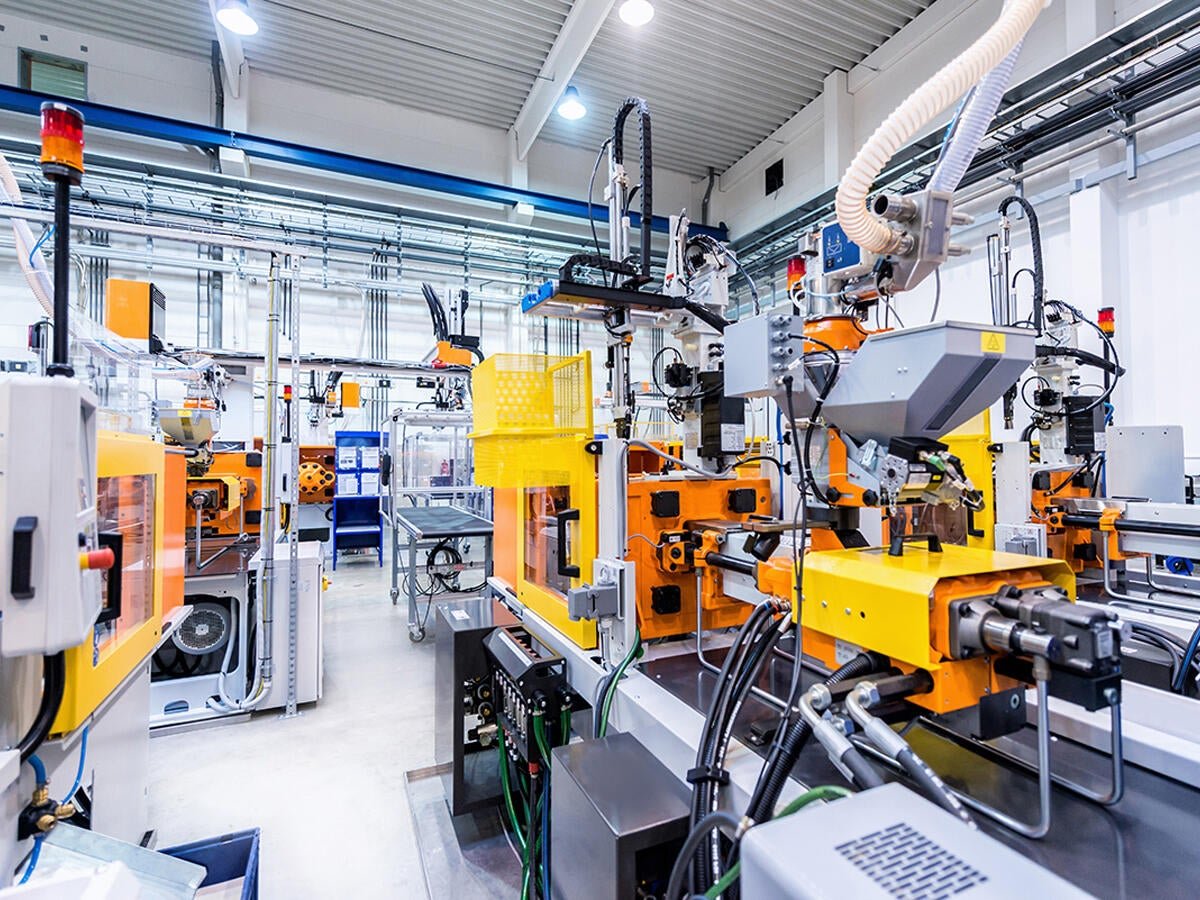
Industrial machines: the backbone of modern production. They churn, shape, and mold raw materials into functional products with efficiency and precision. The symphony of gears, pistons, and belts orchestrates a dance of innovation and progress on factory floors worldwide. These mechanical marvels bridge the gap between human ingenuity and mass production, revolutionizing industries from automotive to food processing. The relentless hum of an industrial machine echoes the heartbeat of progress itself, pushing boundaries and shaping the world we live in. The story of industry’s evolution is written in the metal and steel of these powerful machines.

The Wonderful World of Industrial Machines
Welcome to the exciting and dynamic world of industrial machines! In this comprehensive guide, we will explore the fascinating realm of industrial machinery, from its history and evolution to its modern-day applications and impact on various industries. Whether you are a budding young engineer or simply curious about how things work, this article is sure to pique your interest and expand your knowledge about these essential tools of modern manufacturing.
A Brief History of Industrial Machines
Industrial machines have been around for centuries, playing a crucial role in the advancement of human civilization. The earliest forms of industrial machinery can be traced back to the Industrial Revolution in the 18th and 19th centuries, when steam-powered machines revolutionized manufacturing processes and paved the way for mass production.
One of the most iconic industrial machines of the era was the steam engine, which powered everything from textile mills to locomotives. The invention of the steam engine by James Watt in the late 18th century marked a turning point in human history, ushering in an era of unprecedented progress and industrialization.
As technology continued to evolve, industrial machines became more sophisticated and specialized, enabling faster production, greater precision, and increased efficiency. Today, industrial machines encompass a wide variety of tools and equipment used in industries ranging from automotive and aerospace to food processing and pharmaceuticals.
The Types of Industrial Machines
Industrial machines come in all shapes and sizes, each designed for specific tasks and applications. Some common types of industrial machines include:
1. CNC Machines
CNC (Computer Numerical Control) machines are precision tools that use computer programming to control and automate the manufacturing process. These machines are commonly used in industries such as aerospace, automotive, and electronics for tasks like cutting, drilling, and milling.
2. 3D Printers
3D printers are a type of industrial machine that creates three-dimensional objects by layering material such as plastic or metal. These machines are revolutionizing manufacturing processes by enabling rapid prototyping, custom production, and complex geometries that traditional manufacturing methods cannot achieve.
3. Robotics
Industrial robots are machines equipped with advanced sensors and programming that allow them to perform repetitive tasks with speed and accuracy. These robots are used in various industries for tasks such as assembly, welding, and material handling, improving productivity and safety in manufacturing environments.
The Role of Industrial Machines in Modern Manufacturing
In today’s fast-paced and competitive manufacturing landscape, industrial machines play a crucial role in driving efficiency, productivity, and innovation. These machines have revolutionized the way products are designed, prototyped, and manufactured, leading to faster production cycles, lower costs, and higher quality standards.
One of the key benefits of industrial machines is their ability to perform complex tasks with speed and precision, reducing human error and increasing overall productivity. For example, CNC machines can create intricate parts with tight tolerances that would be impossible to achieve manually, resulting in superior quality and consistency in the final product.
Furthermore, industrial machines have enabled manufacturers to adapt to changing market demands and customer preferences more effectively. With the rise of customization and on-demand production, machines like 3D printers and robotic systems offer the flexibility and scalability needed to meet diverse and evolving consumer needs.
The Future of Industrial Machines
As technology continues to advance at a rapid pace, the future of industrial machines looks brighter than ever. Emerging technologies such as artificial intelligence, machine learning, and the Internet of Things (IoT) are transforming the capabilities and functionalities of industrial machines, making them smarter, more efficient, and more connected than ever before.
AI-powered industrial machines can analyze vast amounts of data in real-time to optimize production processes, predict maintenance needs, and improve overall performance. Machine learning algorithms enable machines to learn from experience and continuously refine their operations, leading to increased reliability and productivity over time.
Additionally, the integration of IoT technology in industrial machines allows for remote monitoring, predictive maintenance, and seamless communication between machines and systems. This connectivity enables manufacturers to monitor and control their operations from anywhere in the world, ensuring maximum uptime and efficiency.
In Conclusion
Industrial machines are the backbone of modern manufacturing, driving innovation, efficiency, and productivity across a wide range of industries. From their humble beginnings during the Industrial Revolution to their state-of-the-art capabilities in the digital age, industrial machines have transformed the way we design, create, and produce goods.
As we look to the future, the evolution of industrial machines continues to unfold, promising even greater advancements and opportunities for growth. By embracing the latest technologies and trends in industrial automation, manufacturers can stay ahead of the curve and remain competitive in an ever-changing global marketplace.
So, whether you’re fascinated by robotics, intrigued by 3D printing, or simply curious about how things are made, industrial machines offer a world of possibilities and endless opportunities for exploration. Get ready to dive into the exciting world of industrial machines and discover the magic of modern manufacturing!
Jack E4-S Overlock Serger Industrial Sewing Machine +1 416 561 8448 #sewing #jacksewingmachine
Frequently Asked Questions
What safety measures should be followed when operating industrial machines?
Operators should always wear appropriate safety gear, receive proper training, and follow all operating instructions provided by the manufacturer. It is crucial to keep the work area clean, maintain the machines regularly, and never bypass any safety mechanisms or guards.
How often should industrial machines undergo maintenance?
Industrial machines should undergo regular maintenance as recommended by the manufacturer or based on the machine’s usage. Typically, preventive maintenance should be scheduled at regular intervals to ensure optimal performance, minimize breakdowns, and prolong the machine’s lifespan.
What are some common troubleshooting steps for industrial machines?
When facing issues with industrial machines, operators can first check for any visible signs of damage, review error codes or warning messages, and ensure that all components are properly connected and functioning. Additionally, referring to the machine’s manual for troubleshooting guidelines can help diagnose and resolve common problems efficiently.
Final Thoughts
In conclusion, industrial machines play a crucial role in modern manufacturing processes. These innovative tools increase efficiency, productivity, and accuracy in various industries. By utilizing advanced technologies and automated systems, industrial machines help businesses meet growing demands and maintain a competitive edge. Embracing the power of industrial machines can lead to significant cost savings and enhanced operational performance. Ultimately, investing in and optimizing industrial machines is essential for driving success and staying ahead in today’s rapidly evolving business environment.

