
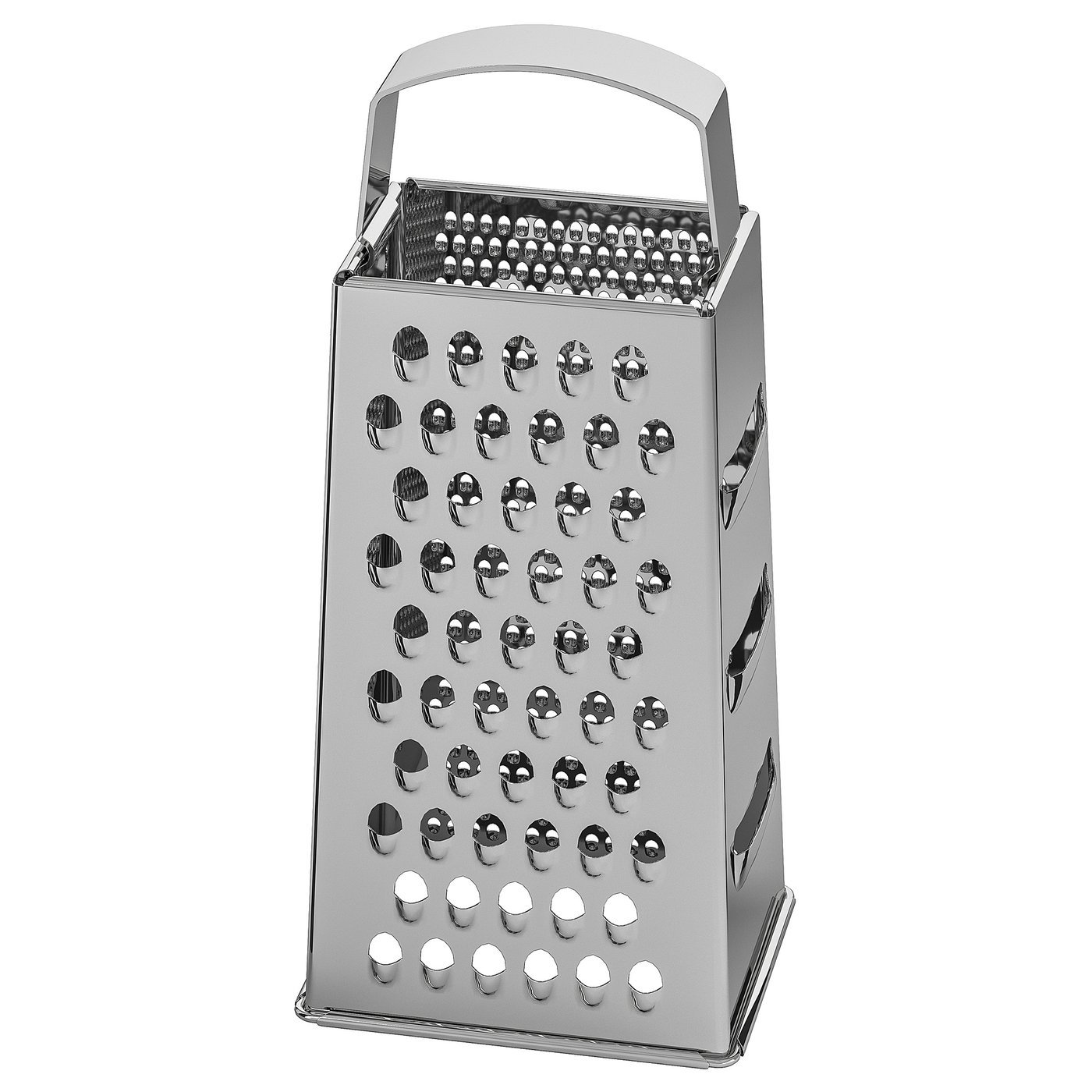
Looking to upgrade your kitchen tools? The grater is the unsung hero you need. From effortlessly shredding cheese to zesting citrus fruits, this versatile tool adds a punch of flavor and texture to your dishes. With its sharp blades and ergonomic design, the grater makes meal prep a breeze. Say goodbye to store-bought pre-shredded cheese and hello to the fresh, intense flavors you can create with the trusty grater by your side.

The Wonderful World of Graters: A Comprehensive Guide
Welcome to the exciting world of kitchen tools, where even humble objects like a grater can play a crucial role in transforming your cooking experience. In this comprehensive guide, we will delve deep into the versatile world of graters – exploring their history, different types, uses, care tips, and even fun facts. So, grab your favorite ingredients and let’s shred, zest, and grate our way through the wonderful world of graters!
The History of the Grater
Believe it or not, the grater has a fascinating history that dates back centuries. The earliest graters were simply sharp stones or shells used by our ancestors to grate nuts, roots, and other foods. Over time, as culinary techniques evolved, so did the design of graters. In the 17th century, metal graters started to appear in kitchens, revolutionizing the way ingredients were prepared and adding a new level of efficiency to cooking.
Today, graters come in a variety of shapes, sizes, and materials, each designed to serve a specific purpose in the kitchen. From grating cheese to zesting citrus fruits, these handy tools are a must-have for any home chef looking to add flavor and texture to their dishes.
Types of Gratres
When it comes to graters, variety is the spice of life! There are several types of graters available, each suited for different tasks. Let’s explore some of the most common types:
1. Box Grater
The box grater is perhaps the most recognizable type of grater, featuring multiple sides with different grating surfaces. With options for fine, coarse, and slicing, the box grater is a versatile tool for grating cheese, vegetables, and more.
2. Microplane Grater
The microplane grater is a fine-toothed grater that is perfect for zesting citrus fruits, grating hard cheeses, and spices. Its razor-sharp blades make quick work of even the toughest ingredients, resulting in finely grated textures.
3. Rotary Grater
The rotary grater is a fun and efficient tool that works by inserting the ingredient into a drum and turning a handle to grate it. Ideal for grating hard cheeses, chocolate, and nuts, the rotary grater is a favorite among those looking for a hands-on grating experience.
4. Electric Grater
For those looking to cut down on elbow grease, the electric grater is a game-changer. With its motorized blades, this grater can shred, slice, and grate ingredients with minimal effort, making meal prep a breeze.
Uses of a Grater
Graters are incredibly versatile tools that can be used in a variety of ways to enhance your cooking. Here are some common uses of graters in the kitchen:
1. Grating Cheese
One of the most popular uses of a grater is for grating cheese. Whether you want a fine sprinkle of Parmesan on your pasta or a mound of cheddar for your nachos, a grater can help you achieve the perfect shred every time.
2. Zesting Citrus Fruits
When a recipe calls for zest, reach for your trusty grater. Zesting citrus fruits like lemons, limes, and oranges adds a burst of flavor to dishes, from desserts to savory meals.
3. Shredding Vegetables
From carrots to zucchinis, a grater can turn ordinary vegetables into fine shreds perfect for salads, slaws, and stir-fries. Shredded vegetables not only add texture but also cook more quickly, making them a versatile ingredient in many recipes.
4. Grating Spices
Whole spices like nutmeg, cinnamon, and ginger can be easily grated using a fine grater, releasing their essential oils and flavors to elevate your dishes. Freshly grated spices offer a depth of flavor that pre-ground spices simply can’t match.
Caring for Your Grater
Proper care and maintenance can extend the life of your grater and ensure that it performs optimally. Here are some tips for keeping your grater in top condition:
1. Clean After Each Use
After each use, wash your grater with warm, soapy water and a brush to remove any food particles. Dry it thoroughly before storing to prevent rusting.
2. Use Proper Technique
When using your grater, employ gentle pressure and smooth strokes to avoid damaging the blades. Be mindful of your fingers and always use the handguard if provided to prevent accidents.
3. Store Properly
Store your grater in a dry place to prevent moisture from causing rust. You can also hang it on a hook or store it in a protective sleeve to keep it in good condition.
4. Sharpen Blades Regularly
If you notice your grater becoming dull, you can sharpen the blades by running a sharpening stone or sandpaper along the edges. This will help maintain the grater’s efficiency and prolong its lifespan.
Fun Facts About Gratres
Graters may seem like simple kitchen tools, but they have a surprisingly rich history and interesting facts. Here are some fun facts about graters that you may not know:
1. The Microplane Grater Was Originally a Woodworking Tool
The microplane grater, now a staple in many kitchens, was originally used as a woodworking tool for shaping and smoothing wood. It wasn’t until a housewife discovered its potential for grating citrus zest that it gained popularity in the culinary world.
2. Cheese Graters Were Invented in France
While graters have been used for centuries in various forms, the modern cheese grater as we know it today was invented in France in the 1540s. French chef François Boullier created the first metal cheese grater, revolutionizing the way cheese was prepared and consumed.
3. The Largest Grater in the World Weighs Over 3,000 Pounds
In 2015, a group of chefs in Italy set a Guinness World Record for the largest grater in the world, weighing over 3,000 pounds. This gargantuan grater was used to grate a massive wheel of Parmigiano Reggiano, showcasing the power and versatility of this humble kitchen tool.
As we come to the end of our journey through the world of graters, I hope you’ve gained a newfound appreciation for these versatile kitchen tools. From grating cheese to zesting citrus fruits, graters play a crucial role in enhancing the flavors and textures of our favorite dishes. So, the next time you reach for your trusty grater, remember the centuries of history and innovation that have gone into creating this essential kitchen gadget. Happy grating!
SUSTEAS Rotary Cheese Grater Review: Transform Your Meal Prep!
Frequently Asked Questions
What are the common types of graters available in the market?
Common types of graters include box graters, microplane graters, rotary graters, and electric graters. Each type is designed for specific purposes such as grating cheese, vegetables, or spices.
How do I effectively clean a grater?
To clean a grater, use a brush or sponge to remove any food particles, then soak it in warm soapy water. For stubborn residue, a baking soda paste can be used to scrub the grater. Rinse thoroughly to ensure all particles are removed.
What is the best way to store a grater to maintain its sharpness?
To maintain the sharpness of a grater, it is best stored in a dry place away from moisture. Consider keeping it in a protective sleeve or container to prevent the blades from dulling.
Final Thoughts
In conclusion, the grater is a versatile kitchen tool that offers convenience and efficiency when preparing meals. Its sharp blades make it easy to grate a variety of ingredients such as cheese, vegetables, and spices. By investing in a high-quality grater, you can elevate your cooking experience and create delicious dishes with ease. Remember, a grater is not just a utensil – it’s a valuable asset that can enhance your culinary skills.

