
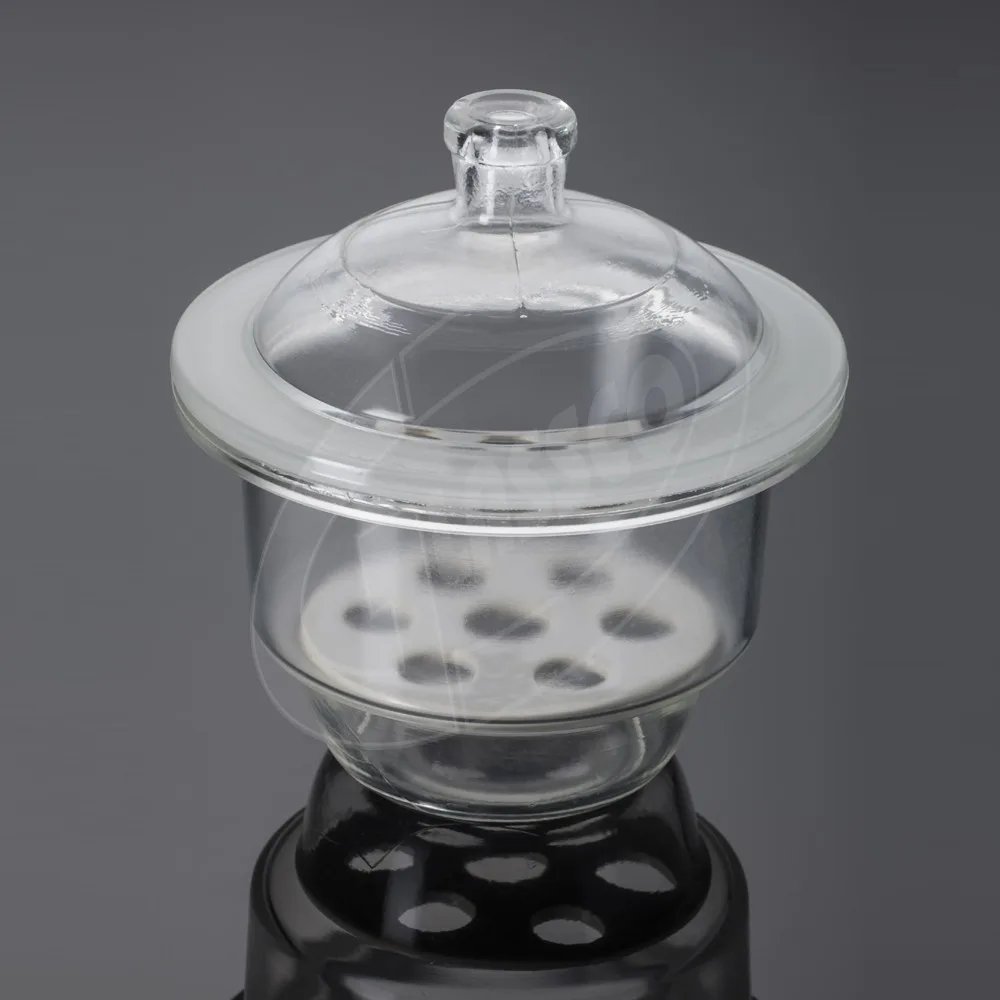
A desiccator is a crucial tool for preserving moisture-sensitive items. By creating a dry environment, it effectively protects delicate materials. Its sealed compartment maintains low humidity levels, ensuring the longevity of stored items. Desiccators are commonly used in laboratories to safeguard samples and chemicals. Their simple yet efficient design makes them indispensable for scientists and researchers.

Exploring the Wonders of a Desiccator: Keeping Things Dry and Fresh
The Basics of a Desiccator
Picture this – you have a precious item that needs to stay dry and pristine. How can you ensure it remains free from moisture or humidity? That’s where a desiccator comes into play! A desiccator is like a magical box that keeps things dry by absorbing any moisture inside. It’s a nifty tool used in laboratories, kitchens, and other places where keeping things dry is essential.
How Does a Desiccator Work?
So, how does this magical box actually work? Inside a desiccator, you’ll find a drying agent such as silica gel or calcium chloride. These substances are like moisture magnets, eagerly sucking up any water vapor in the air inside the box. This way, whatever you store in the desiccator stays nice and dry!
The Importance of Keeping Things Dry
You might be wondering, why is it so important to keep things dry? Well, moisture can be a sneaky troublemaker. It can cause items to degrade, become moldy, or lose their effectiveness. By using a desiccator, you can protect your belongings and ensure they stay in top condition for a long time.
Types of Desiccators
Desiccators come in various shapes and sizes, each designed for specific needs. There are vacuum desiccators, which create a low-pressure environment to remove moisture more efficiently. Then, there are non-vacuum desiccators that rely on the desiccant’s absorbing power alone. Depending on what you need to keep dry, there’s a desiccator out there for you!
Choosing the Right Desiccant
When it comes to choosing a desiccant for your desiccator, it’s essential to pick the right one for the job. Silica gel is a popular choice for general use, while calcium chloride is excellent for high-humidity environments. There are also molecular sieves and activated alumina desiccants for specific applications. Remember, the key is to match the desiccant to the level of moisture you expect to encounter.
Applications of Desiccators
Desiccators have a wide range of applications beyond just keeping things dry. In laboratories, they are used to store sensitive chemicals and samples that need to remain moisture-free. In the culinary world, desiccators can help preserve herbs, spices, and other ingredients. They are also handy for storing electronic components, medications, and even seeds for planting!
The Role of Desiccators in Science
In the scientific realm, desiccators play a crucial role in experiments and research. By creating a dry environment, researchers can conduct precise measurements and experiments without interference from moisture. Desiccators are especially vital in fields like chemistry and biology, where even a tiny amount of moisture can alter results.
Tips for Using a Desiccator
Now that you understand the wonders of a desiccator, here are some tips for using one effectively:
- Ensure the seal on your desiccator is tight to prevent any moisture from getting in.
- Check the desiccant regularly and replace it when it’s saturated with moisture.
- Store items in a desiccator only when they are at room temperature to prevent condensation.
- Handle the desiccator with care to avoid damaging the delicate drying agents inside.
In a world where moisture can wreak havoc on our belongings, a desiccator stands as a guardian of dryness. Whether in a laboratory, kitchen, or workshop, the humble desiccator quietly performs its duty of keeping things fresh and moisture-free. So, the next time you need to protect something precious from the clutches of humidity, trust in the power of a desiccator to work its magic!
Use of a desiccator
Frequently Asked Questions
What is a desiccator used for?
A desiccator is a specialized container used for storing moisture-sensitive items in a dry environment. It helps to protect sensitive materials, such as chemicals or samples, from moisture by creating a low-humidity environment.
How does a desiccator work?
A desiccator works by using a drying agent, such as silica gel or calcium chloride, to absorb moisture from the air inside the container. The airtight seal of the desiccator prevents moisture from entering, maintaining a dry atmosphere inside.
What are the different types of desiccators available?
There are various types of desiccators, including vacuum desiccators, non-vacuum desiccators, and automatic desiccators. Vacuum desiccators use a vacuum pump to remove air and moisture, while non-vacuum desiccators rely on desiccants to absorb moisture. Automatic desiccators control the humidity level electronically.
Final Thoughts
Desiccators provide an essential environment for maintaining the integrity of moisture-sensitive items. These airtight containers effectively protect substances from humidity, ensuring their longevity and quality.
Investing in a desiccator is crucial for laboratories and industries that handle sensitive materials. By utilizing a desiccator, one can prolong the shelf life of products and prevent potential damage caused by moisture.
In conclusion, desiccators play a pivotal role in preserving the integrity of moisture-sensitive items, making them a valuable asset in various scientific and industrial settings.

